

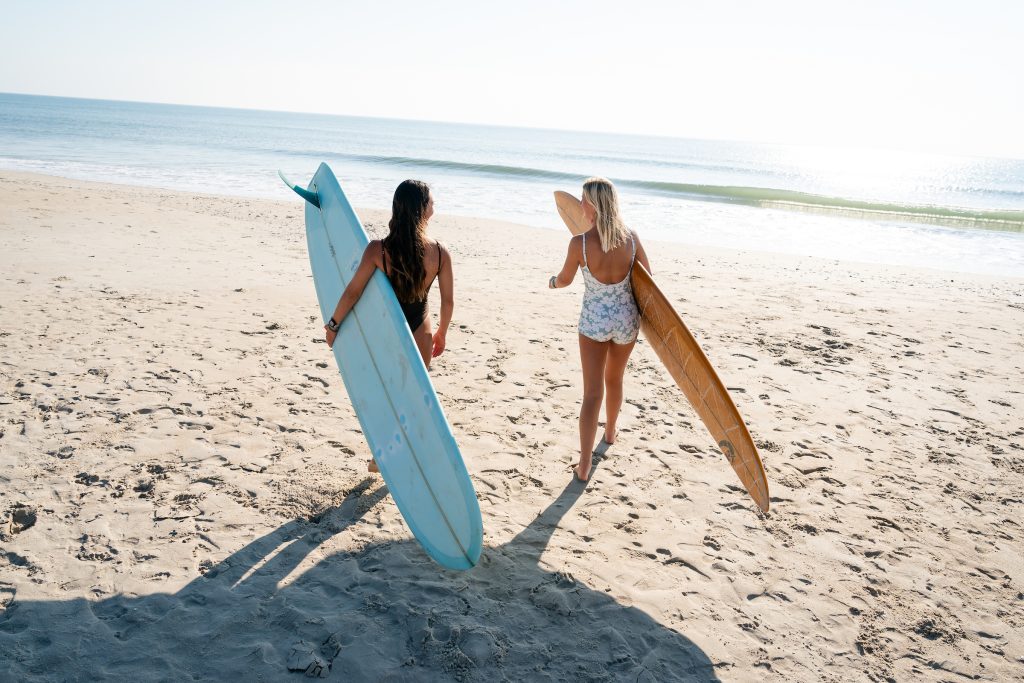

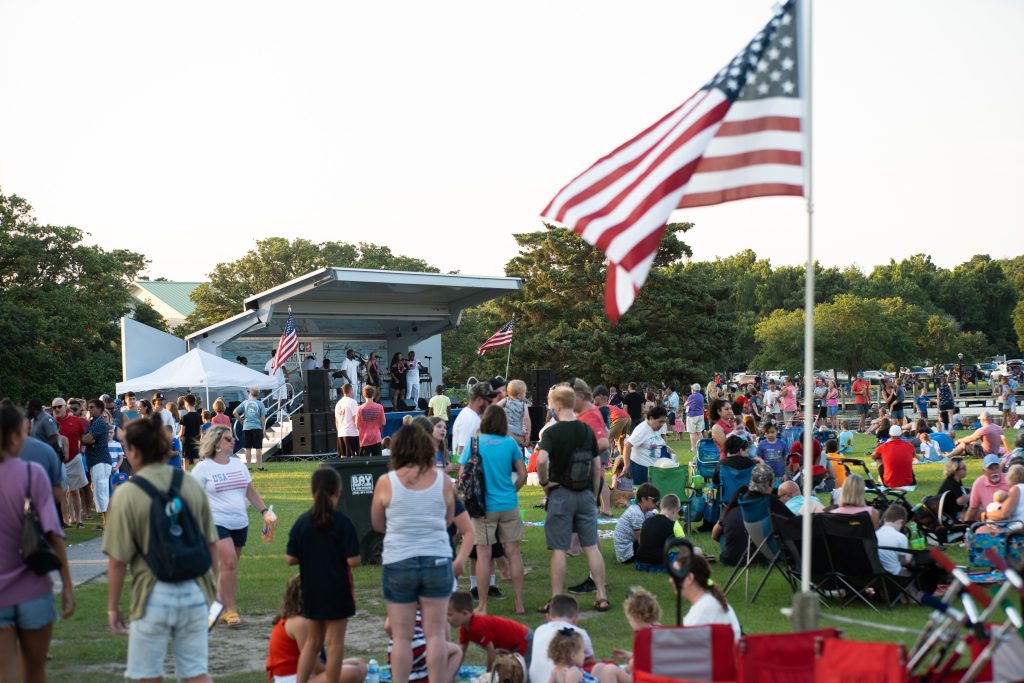



When the summer crowds depart, and the coastal air turns crisp, a different kind of magic settles over the northernmost stretches of North Carolina’s coast. Beyond the bustling summer days of Corolla and the wild horse tours of Carova lies a nighttime spectacle few take the time to appreciate truly. Up here, across Corolla, the rugged sands of Carova, the quiet isolation of Knotts Island, and the sprawling Mainland, the winter sky puts on a show that makes it hard to choose between waking up early for an ocean sunrise and staying up late. If you are seeking a celestial escape, there is no better time or place to look up.
The Winter Advantage
Why is winter the prime season for stargazing in the Northern Outer Banks? The answer lies in solitude. During the off-season, fewer people mean fewer porch lights, fewer headlights, and far less ambient light pollution that typically washes out the night sky.
Combined with the low humidity and crisp, stable winter air, the atmosphere acts as a crystal-clear lens. On a moonless winter night, the inky black canvas above reveals thousands of pinpoint stars, wandering planets, and the faint, dusty glow of the Milky Way stretching across the horizon.
Where to Look Up
Finding a dark spot is easy in these northern reaches. In Corolla, simply walk to the beach, away from the glow of the village centers, for an expansive, unobstructed view of the eastern horizon. With a 4×4, the beaches of Carova offer an even deeper plunge into darkness. With no paved roads and miles of open sand, the isolation here is unmatched.
If you prefer calm waters to crashing waves, the Mainland and Knotts Island are phenomenal alternatives. Knotts Island, surrounded by the Currituck Sound, feels entirely disconnected from the modern world. Here, marshlands reflect starlight, and the horizon lacks the glow of coastal development. You can’t use the Currituck–Knotts Island Ferry, as the last ferry leaves around 5 pm, so you’ll have to drive in.
The Mainland areas bordering the sounds offer similar tranquility, where you can watch constellations rise over the water in complete silence.
Capturing the Cosmos
For photography enthusiasts, these dark skies are a dream. Nighttime photography requires a bit of preparation, but the results are breathtaking. To capture the stars’ brilliance, bring a sturdy tripod to withstand the coastal breezes. Bring a camera with manual controls: set a wide aperture, a high ISO, and a 15- to 30-second exposure to gather as much light as possible.
A pro tip for both photographers and casual stargazers: use a red-light flashlight. White light instantly ruins your night vision, and it takes about 20 to 30 minutes to fully adjust to the dark. Red light lets you adjust your camera settings or find your footing in the sand without sacrificing your ability to see the faintest stars. Best of all, every night on the Northern Outer Banks comes with the soothing soundtrack of the crashing surf and a gorgeous view of the unpolluted winter sky. We can’t guarantee you’ll see a shooting star for a midnight wish, but you won’t know unless you book your trip.
Respecting the Night
While the dark skies invite you to linger, remember the rules that protect these pristine environments. Whether you are on the beaches of Carova, the shores of Corolla, or exploring the trails of Knotts Island and the Mainland, camping or sleeping overnight is strictly prohibited.
You cannot pitch a tent, sleep in your 4×4 on the sand, or camp out in the parks or along the trails—think of stargazing as a late-night excursion. Bundle up, bring a thermos of hot cocoa, set up your camera or a blanket for a few hours, then pack up and head back to your vacation rental for a good night’s sleep.
The Cosmic Theater
Standing on the edge of the continent, wrapped in a winter coat, and watching the universe rotate above you is profoundly humbling. This northern coastal region offers a front-row seat to an ancient theater, so skip the screen time this winter, embrace the chill, and step out into the dark: the stars are waiting.
Start planning your star-gazing escape to the Northern Outer Banks