






Experience a different side of the Northern Outer Banks this winter, where peaceful landscapes, scenic nature trails, and incredible wildlife encounters await.
When winter arrives in the Northern Outer Banks, something wonderful happens. Thousands of migratory birds travel from northern regions, some as far away as the Arctic, to spend the cooler months along our beautiful coastline. The sounds, marshes, and wetlands become a winter haven for tundra swans, snow geese, ducks, and other fascinating wildlife. For visitors, it’s the perfect opportunity to discover a quieter side of the Northern Outer Banks. Whether you’re an experienced birdwatcher, a photography enthusiast, or simply someone who enjoys being outdoors, winter offers plenty of reasons to grab your binoculars, bundle up, and explore!
Mackay Island – Discover a Winter Wildlife Wonderland
One of the Northern Outer Bank’s most remarkable wildlife destinations is Mackay Island National Wildlife Refuge, located on beautiful Knotts Island.
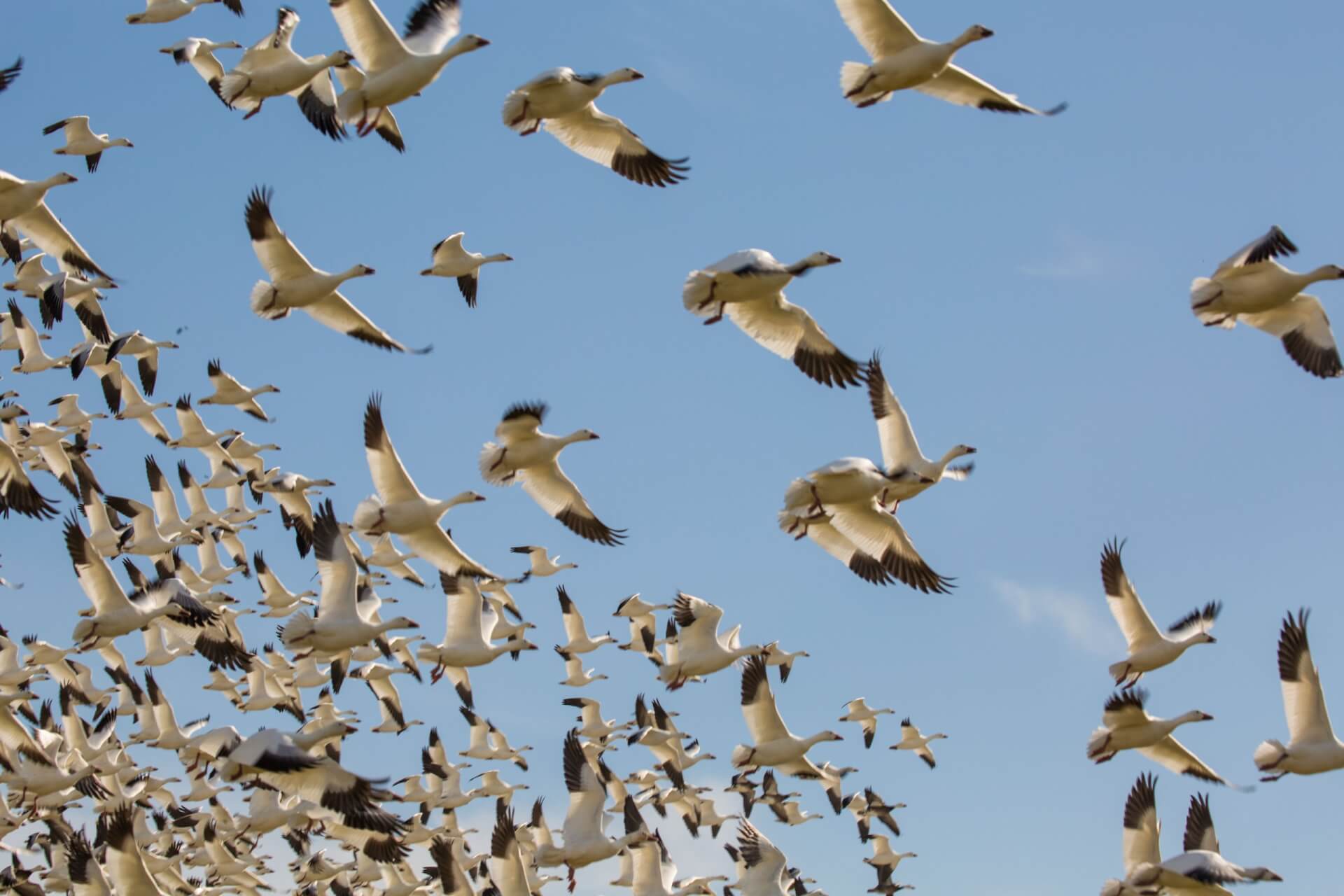
Spanning approximately 8,500 acres, this protected refuge provides essential winter habitat for thousands of migratory waterfowl traveling along the Atlantic Flyway. Imagine watching graceful tundra swans glide across the water, spotting flocks of snow geese overhead, or catching a glimpse of a majestic bald eagle perched along the marsh. Mallards, northern pintails, American black ducks, and other waterfowl add to the incredible variety of birds that call the refuge home during winter. December and January are especially rewarding months for birdwatching, when wintering waterfowl are often abundant.
Mackay Island is also known for its population of King Rails, secretive marsh birds that are more often heard than seen. Spotting one can be an exciting experience for dedicated birders!
Mackay Island is also known for its population of King Rails, secretive marsh birds that are more often heard than seen. Spotting one can be an exciting experience for dedicated birders!

Planning Your Visit: Winter access to portions of Mackay Island is restricted to protect wintering wildlife. Check current public access information and seasonal trail openings before visiting. The scenic journey to Knotts Island is part of the adventure, whether arriving by road from Virginia or aboard the Currituck–Knotts Island Ferry. Contact Mackay Island National Wildlife Refuge Headquarters (252) 429-3100 316 Marsh Causeway, Knotts Island, NC 27950
Take a Walk on the Wild Side
You don’t have to be an expert birder to enjoy winter wildlife in the Northern Outer Banks. Some of the best experiences happen during a simple walk through the area’s beautiful natural surroundings.
Located along the Currituck Sound near Corolla, the Pine Island Audubon Sanctuary offers an unforgettable setting for nature lovers. The sanctuary protects approximately 2,600 acres of marshes, maritime forests, and coastal habitat. Its scenic nature trail offers opportunities to observe waterfowl, songbirds, birds of prey, and other wildlife while enjoying beautiful soundside views. With more than 170 bird species documented in the sanctuary, there’s always something interesting to discover.
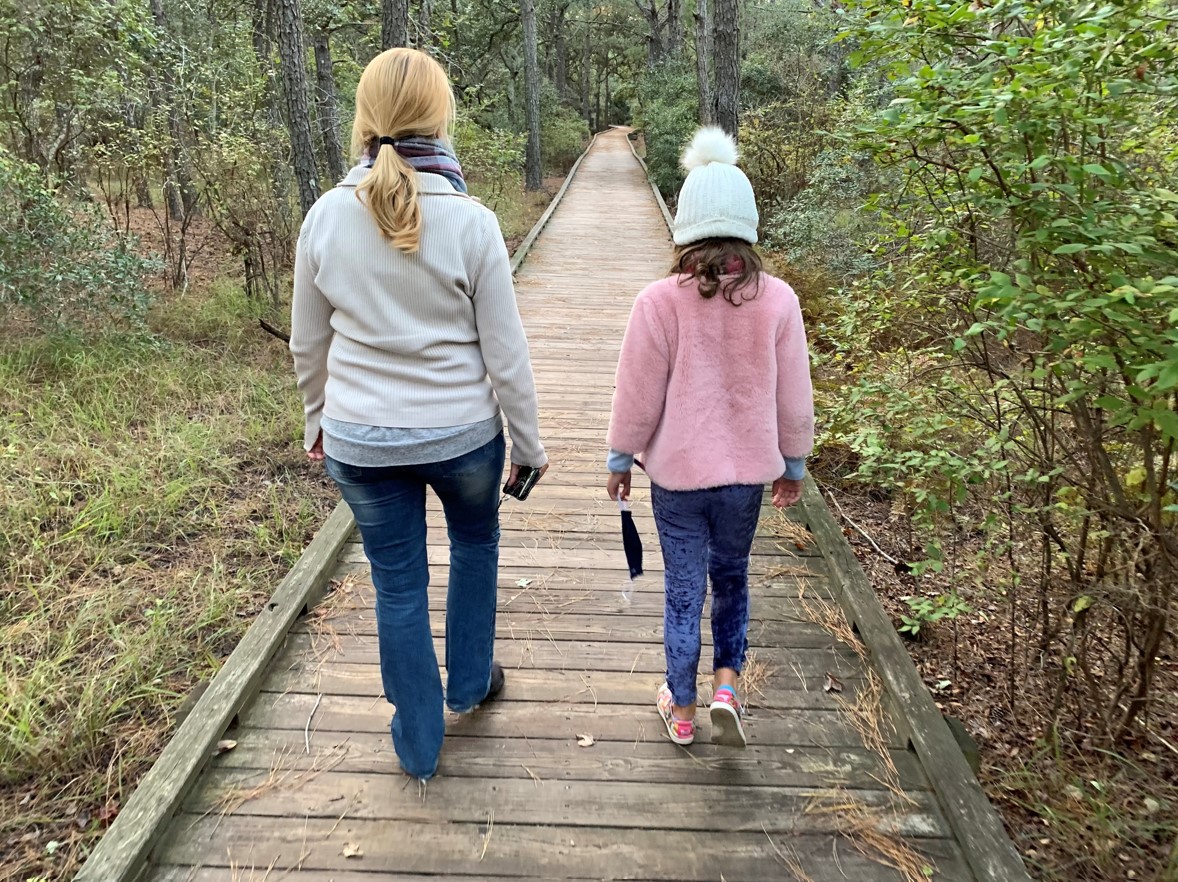
At the northern end of Corolla, the Currituck Banks Reserve offers another wonderful opportunity to explore coastal wildlife habitats. A scenic boardwalk winds through maritime forest toward the Currituck Sound, where visitors can enjoy peaceful views of marshes and wetlands. Keep your eyes open for wintering ducks, herons, egrets, and other birds along the water’s edge. The reserve also features a natural-surface trail for visitors looking to explore a little farther. It’s an ideal stop for families, photographers, and anyone looking to enjoy the natural beauty of Corolla beyond the beach.
Currituck’s Mainland Trails
Don’t overlook the mainland when planning your outdoor adventure! The many Currituck County parks like the Currituck Rural Center in Powells Point provide additional opportunities to stretch your legs, enjoy the fresh coastal air, and watch for birds and wildlife along the way. These outdoor spaces are wonderful additions to a winter getaway, offering visitors another way to discover the Northern Outer Bank’s scenic landscapes.
Birdwatching Made Easy
One of the best things about winter birdwatching in the Northern Outer Banks is that anyone can enjoy it. Bring a pair of binoculars, a camera with a zoom lens, comfortable walking shoes, and a little curiosity. Early mornings and late afternoons can be especially rewarding times to observe wildlife. Remember to dress in layers, stay on designated trails, and give wildlife plenty of space. Respecting these natural habitats helps protect the birds and other animals that make the Northern Outer Banks such a special destination. And don’t forget to take your time! Sometimes the most memorable moments happen when you simply stop, listen, and enjoy the beauty around you.
Plan Your Winter Wildlife Getaway
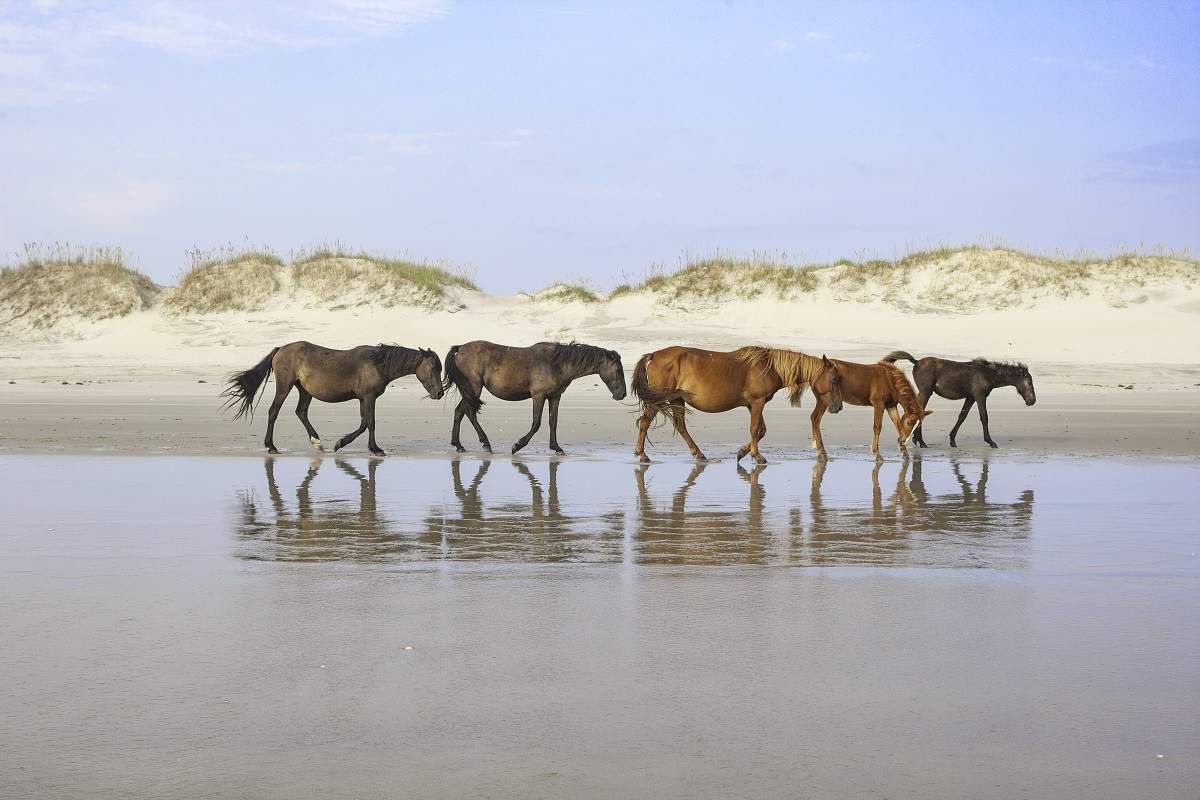
Winter in the Northern Outer Banks offers much more than incredible wildlife viewing. Take a peaceful walk along Corolla’s uncrowded beaches, enjoy a spectacular sunset over the Currituck Sound, explore local history, or watch for the famous Corolla wild horses in their natural habitat. After a day of outdoor adventures, relax in comfortable accommodations and enjoy a meal at one of the area’s restaurants that welcome visitors throughout the quieter season. With fewer crowds and a slower pace, winter provides the perfect opportunity to reconnect with nature and experience the Northern Outer Banks in a whole new way.
Whether you’re planning a weekend getaway, a birdwatching adventure, or a relaxing escape, the Northern Outer Banks welcomes you to explore its wild and wonderful side. Pack your binoculars, bring your sense of adventure, and discover why winter is something special here… Start planning your visit at northernouterbanks.com, where you’ll find accommodations, attractions, outdoor activities, and visitor information to help make your winter getaway unforgettable.
Winter Bird Watching FAQs
No, you do not need a special permit for general bird watching at Mackay Island National Wildlife Refuge or local reserves. However, always check the refuge’s current seasonal access rules, as some areas are restricted to protect wildlife habitats during peak migration.
Do not attempt to touch, feed, or move the bird, as this can cause further stress or harm. Instead, contact the refuge office or a local wildlife rehabilitation center. Keep your distance and observe from afar until professional help arrives.
Not at all! Birding is accessible for all skill levels. Whether you are a seasoned expert with high-end optics or a beginner with a simple pair of binoculars, our trails offer rewarding views. Patience and quiet observation are your most important tools.
Yes, seasonal guided walks are often organized by the Audubon Center at Pine Island and local nature groups. Check the local events calendar on our website or contact the visitor center to see if a naturalist-led tour aligns with your travel dates.
Calm, clear mornings are often best for winter bird watching because birds may be more active and easier to see. Dress in layers, watch the wind forecast and bring binoculars or a camera for better viewing from a distance.