







John Jasper White, better known as “Currituck Jack,” is one of the most remarkable yet lesser-known heroes of the American Revolutionary War. Born into slavery in Currituck County, North Carolina, Jack’s courage and determination earned him freedom, respect, and a lasting place in local history. His story represents bravery, resilience, and the struggle for liberty during the founding of the United States.
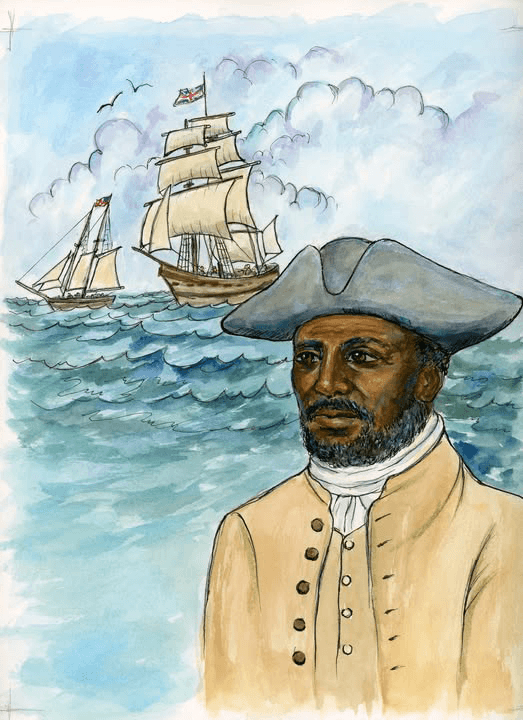
John Jasper White, also known as Currituck Jack, was an enslaved mariner in Currituck County during the Revolutionary War. In February 1780, the schooner Polly departed Currituck Sound carrying supplies to Charleston with crewmen Caleb White, Samuel Jasper, and Currituck Jack aboard. Captured by the British privateer Fame, the Americans were imprisoned while Jack was tied to the mast after an unsuccessful escape attempt. After convincing the British that he could serve as a skilled sailor and cook, Jack gained their trust and was released. Under cover of darkness, he freed the imprisoned crewmen, and together they overpowered their captors, reclaimed the vessel, and sailed safely into Annapolis, Maryland. Jack’s bravery saved the crew and earned praise from the Continental Congress and North Carolina leaders. Years later, after gaining his freedom and taking the name John Jasper White, he became a ship owner and respected member of the community.
Today, he is remembered as one of North Carolina’s overlooked Revolutionary War heroes.
In 1780, during the height of the Revolutionary War, a small schooner named Polly sailed from Currituck County carrying supplies through dangerous British-controlled waters. On board were Caleb White, Samuel Jasper, and Jack, an enslaved man owned by Henry White. Their mission was risky because British ships patrolled the coast and captured American vessels whenever possible. Soon after leaving the North Carolina coast, the Polly was seized by British privateers. The crew was chained and held prisoners aboard the ship.
Jack quickly realized that escape would require both intelligence and courage. Pretending loyalty to the British, he convinced the captors that he could help them as a sailor and cook. Once the British trusted him enough to loosen his restraints, Jack waited for the right moment to act. During a fierce struggle aboard the ship, he attacked British sailors with a marlin spike while his fellow prisoners fought alongside him. Despite harsh weather, injury, and overwhelming odds, the Americans successfully regained control of the Polly.
After retaking the ship, the crew sailed to Annapolis, Maryland, where they delivered the British prisoners to the Continental Congress. Jack’s bravery impressed American leaders, and Congress reportedly recommended that his owner free him for his heroic actions. However, despite risking his life for the Patriot cause, Jack remained enslaved for years afterward.
Samuel Jasper continued to fight for Jack’s freedom long after the war ended. Finally, in 1792, the North Carolina General Assembly approved a petition granting Jack emancipation because of his “meritorious services” during the Revolution. Once free, he chose the name “John Jasper White,” combining the surnames of Samuel Jasper and Caleb White to honor the men who had supported him.
As a free man, John Jasper White became a respected member of the Currituck community. He worked as a ship captain, owned property, and raised a family. Historical records show that he owned land, operated a schooner, and left property to his family in his will. His success was extraordinary considering the barriers faced by formerly enslaved African Americans in the late eighteenth century.
Today, Currituck Jack is celebrated as an African American Revolutionary War hero whose story highlights both the ideals and contradictions of early America. Though he fought bravely for freedom during the Revolution, he had to struggle for years to secure his own liberty. His legacy continues to inspire people across North Carolina, and modern efforts—including historical programs and a planned statue in Currituck County—help ensure that his contributions are remembered.
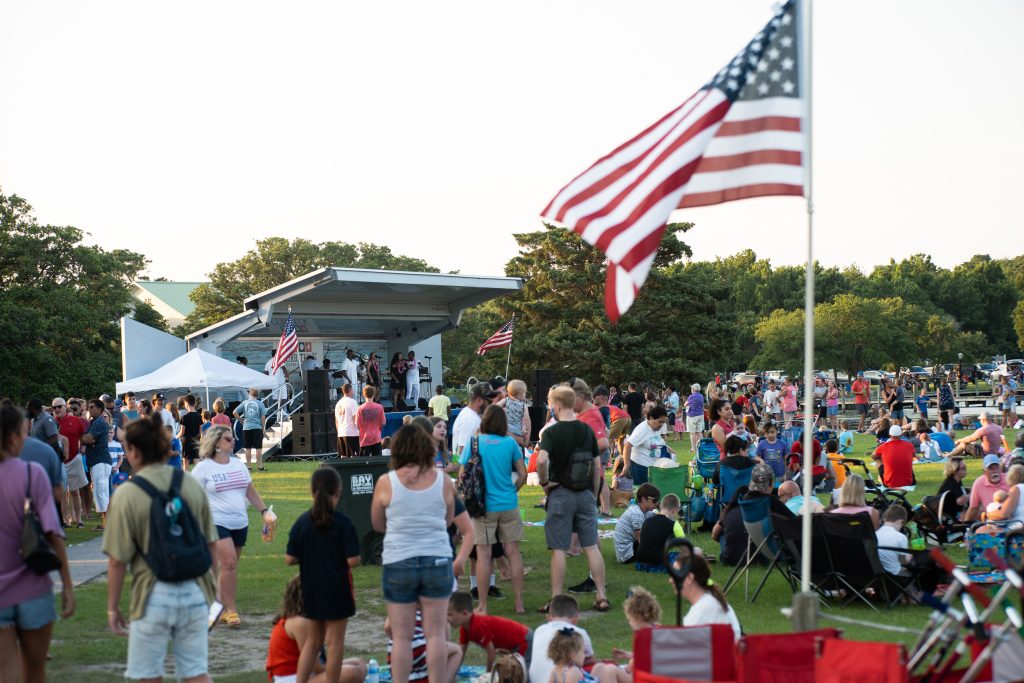
The long-awaited bronze statue of John Jasper White will be unveiled during the Juneteenth celebration at the Historic Jarvisburg Colored School on June 20, 2026, from 11:00 a.m. to 3:00 p.m. Currituck County was honored to receive a grant from America 250 NC, a program of the North Carolina Department of Natural and Cultural Resources, to help fund this commemorative project. The sculpture was created by Stephen Hayes, a Durham-born contemporary artist whose work explores African American history, identity, labor, and social justice through sculpture, woodcuts, installations, and mixed media. A graduate of North Carolina Central University and Savannah College of Art and Design, Hayes is nationally recognized for powerful public art that gives voice to Black experiences in America. He teaches at Duke University and in 2020 received the 1858 Prize for Contemporary Southern Art.
Please join us on June 20, 2026, as we celebrate Juneteenth and honor the life and legacy of an extraordinary American hero through the unveiling of this commemorative sculpture. For more information, visit https://northernouterbanks.com/signature-event/historic-jarvisburg-colored-school-juneteenth-celebration/. Or, you can visit northernouterbanks.com and click on the events page under signature events. You can also call The Northern Outer Banks tourism office at 252-435-2947. Event Information – Historic Jarvisburg Colored School Juneteenth Celebration | Northern Outer Banks