











There’s a special hush that settles over The Northern Outer Banks in winter. You’ll find fewer footprints, broader horizons, and a shoreline that seems to stretch just for you. If you crave quiet walks, wide views, and the kind of fresh-air reset that only a coastal hike can give, winter is prime time to explore the area on foot.

Trails and Parks
Start small and scenic at Sound Park (8955 Caratoke Highway, Point Harbor). Open daily from 8 a.m. to sunset, Sound Park offers picnic pavilions and a waterside boardwalk with gazebos and wildlife overlooks. Best of all, for an easy, year-round stroll, it has a paved walking trail, which is perfect for a brisk morning walk, a stroller, or anyone who wants a gentle circuit with big sound views. Bring binoculars: Winter draws ducks and songbirds to the marshy edges.
For a slightly deeper nature loop, head to the Currituck County Rural Center (CCRC) in Powells Point. This 105-acre park hugs the Currituck Sound, and its boardwalk and interpretive signs make it a wonderful educational walk for kids or curious adults. The trail winds through wetlands and coastal woods, so you’ll see a different side of the coast, including cattails, wintering waterfowl, and the quiet microhabitats that feel most alive when the beaches are empty.
If you want wilderness that stretches for miles, Mackay Island National Wildlife Refuge is a must-visit. The East Dike trail is roughly 7.7 miles for those who want a long outing, but shorter loops and viewpoints offer great payoff with less mileage. The refuge is pet-friendly, and it’s open long enough daily for early-morning treks or contemplative late-afternoon walks when light turns golden over the sound.
Closer to the beach, try out the Currituck Banks Estuary Trail. Winter brings a quiet magic to the Currituck Banks Estuary Trail. Cooler temperatures make for comfortable walking, while bare branches open up wider views of the marsh and sound. Migratory waterfowl and wintering birds are easier to spot, and the crisp air carries the sounds of wind and wildlife across the estuary. With fewer visitors, winter hikes offer a peaceful, reflective way to experience the Currituck Estuary’s natural rhythms.
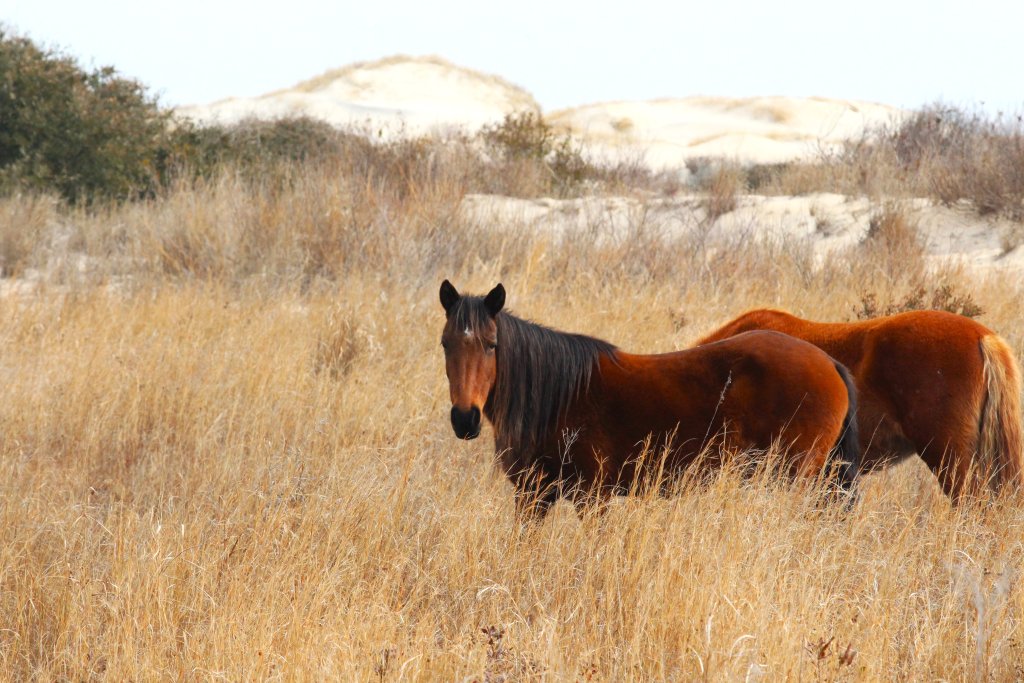
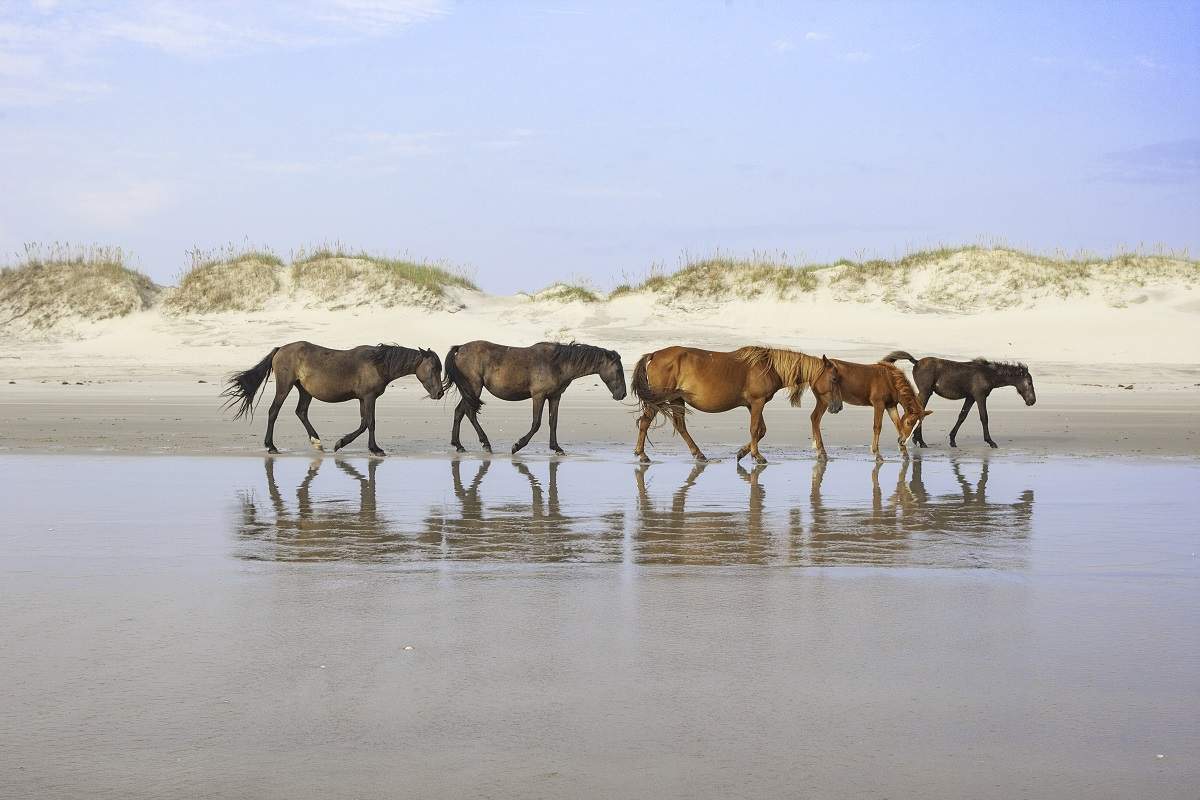
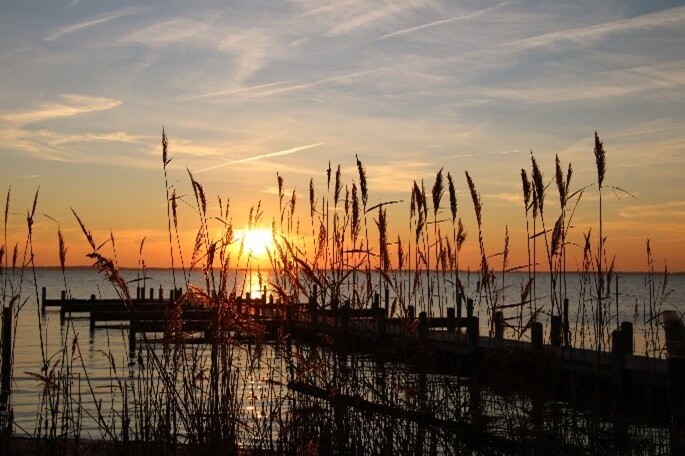
Why winter trails? The rewards are as much atmospheric as they are scenic. The air is clear and salty, migratory birds stage in numbers you don’t see in summer, and the dramatic winter skies make for unforgettable photo moments. Quiet beach walks let you listen to the surf, watch for dolphins offshore, and—if you visit the northern Corolla coastline—keep an eye out for wild horses from a respectful distance.
Quick tips for winter hikes on the Northern Outer Banks:
- Dress in layers: Coastal winds can bite, even on sunny days.
- Footwear: Waterproof boots or sturdy sneakers with some grip for handling sand, boardwalks, and muddy spots.
- Bring binoculars: A field guide or app for bird ID can be helpful, too.
- Check park hours: Many sites are sunrise to sunset, and be mindful of closures or hunting seasons.
- Leash your dog: Pack out all waste. Winter wildlife still depends on undisturbed habitat.
- Start early: Experience the best light and the quietest trails.
Whether you want a short boardwalk stroll, a casual beach walk, or a long, contemplative day on the refuge, The Northern Outer Banks’ winter walking land delivers big scenery with small crowds. Lace up, breathe deep, and discover why off-season hiking is one of the region’s best-kept secrets.